
Ofsted framework 2025: What parents need to know and what it means for Fielding
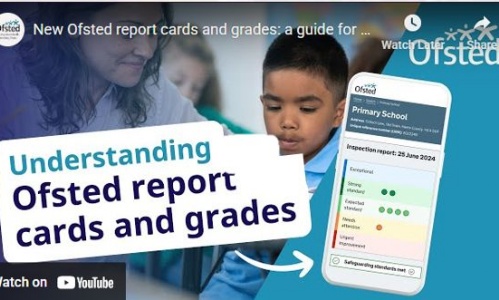
Ofsted have introduced a new Inspection Framework, designed to give parents clearer, more meaningful information about how schools are performing. This is a major shift in how inspection findings are reported. It’s important to understand that the new system cannot be compared to the old one.
When will Fielding be inspected?
Our last inspection took place in the spring term of 2023, which means we are likely to be inspected under the new framework from spring 2027. This gives us time to continue embedding our priorities, which are already perfectly aligned with the new national focus, particularly around strong foundations, inclusion, attendance, and personal development.
What’s changed?
Previously, schools received a single overall judgement such as Outstanding, Good, or Requires Improvement. Under the new framework, this approach has been replaced with report cards that break down performance into key areas that Ofsted says matter most to families:
- Inclusion (how well the school meets the needs of all children)
- Curriculum and Teaching
- Achievement
- Attendance and Behaviour
- Personal Development and Well-being
- Early Years
- Leadership and Governance
Safeguarding will also be clearly marked as ‘Met’ or ‘Not Met’.
New grading scale 
- Exceptional – among the very best nationally, practice to share.
- Strong Standard – excellent, consistent work making a real difference.
- Expected Standard – everything the school should be doing to meet high expectations.
- Needs Attention – areas where work is underway but impact isn’t yet visible.
- Urgent Improvement – significant changes needed.
What does ‘Needs Attention’ mean?
This is not a fail. It signals that a school is already working on improvements, but inspectors haven’t yet seen enough impact. For example, a school might have introduced new strategies for attendance or inclusion, but these changes take time to show results.
Why can’t it be compared to the old system?
Previously, schools were assigned a single overall grade. The updated system, however, offers a multi-dimensional perspective, highlighting both strengths and areas for improvement within the same school. As a result, a school might be at the Expected Standard in one aspect but Needs Attention in another, giving parents a clearer sense of their children's experience at the school. Since the new grading method and criteria differ entirely from the old system, Ofsted says that previous judgements such as Good or Outstanding cannot be directly mapped onto the new categories and grades.
National priorities
There is a strong nationwide focus on inclusion, ensuring every child’s needs are met and a renewed emphasis on attendance, recognising its vital role in achievement and wellbeing. These priorities are already central to our work.
What will Ofsted reports look like?
Reports will be in the form of a 'Report Card'. Alongside the colour-coded grades, parents will see clear explanations of what inspectors found, plus key data such as pupil numbers and age ranges. This transparency is designed to help families make informed choices and feel reassured about their child’s education.
Want to learn more?
Visit Ofsted’s website or watch their official video on YouTube for a full explanation of the changes.
Clare Haines