Reception
Welcome to Reception 2026-2027
At the bottom of this page you will find the Power Point from the Welcome to Reception evening 2026-2027
Welcome to Reception You will find important information specific to the Reception Year here.
We are excited about welcoming the children into school and starting our learning together.
- Year Group Newsletter
- Timetable
- Yearly Overview
- Curriculum Knowledge Organisers
- Our PE day is: Thursday
|
Messages
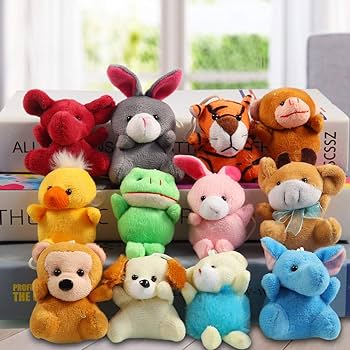
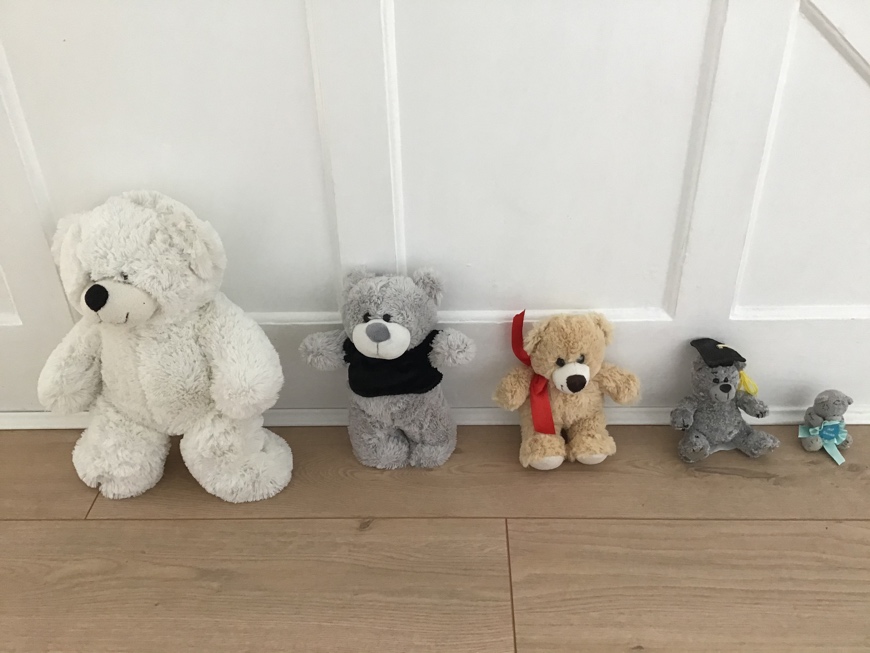
Mind Up Lesson - Friday 2.10.26This week in our Mind Up lesson the children will be doing an activity that is about mindful breathing. For this activity every child will need a cuddly toy.
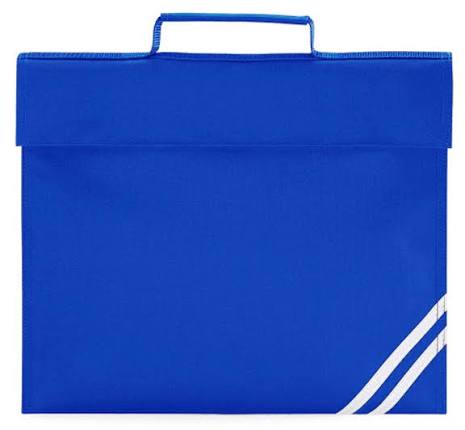
In the lesson we will explain to the children what we are doing and why. Once the children have had the lesson they will be able to demonstrate the activity to you at home and together you can enjoy some mindful breathing! Please could you make sure your child brings in a cuddly toy (no over-sized teddies) on Friday 2nd October. If your child is unable to bring one in or forgets, please do not worry, we have some in school that they can borrow for the lesson. Thank you, The Reception Team Family Photo – Monday 5.10.26In our RSHE lessons, we will be talking about our families. Please send in a family photo with your child and hand it to the class teacher or put it in your child's book bag on Monday 5th October. Remember to write your child's name on the back, we will return it and put it back in your child's bag. Only one photo is needed. We did this lesson last year and the children enjoyed sharing their photos and talking about their families. We really appreciate your support in making our lessons more interactive and meaningful for the children. Cooking & GardeningWe are proud to offer all pupils the opportunity to take part in cooking sessions during the school day. These sessions take place in the School House kitchen and are led by the class teacher. Fresh ingredients from our school garden are used wherever possible, helping children learn about food, nutrition, and sustainability. To support this programme, we ask for a voluntary annual contribution of £13.00, which covers the cost of additional ingredients for the full school year (September 2025 – July 2026).
Your support helps us continue offering this valuable hands-on learning experience. Thank you! |
Healthy SnacksTo help keep energy levels up and minds focused, we encourage pupils to bring a healthy snack for break time. Great options include:
Please do not send sweets, chocolate, crisps, or fizzy drinks. Let’s work together to support healthy habits and happy learning! |
Capturing 'Wow moments' at homeWe value contributions from parents/carers of moments of achievement that have happened outside of school. If you observe your child achieving something new or wonderful, then let one of the Reception team know by sending in a photo with a note or just singing their praises. The wow moments are stuck in your child’s learning journey and support assessments throughout the year. Feel free to send in as many as you would like, parents/carers usually complete a page of wow moments each half term. |
Reading Books, Home Learning and Book BagsAt Fielding, we follow the Read Write Inc programme. The type of ‘book’ your child receives will depend on their phonics knowledge.
|
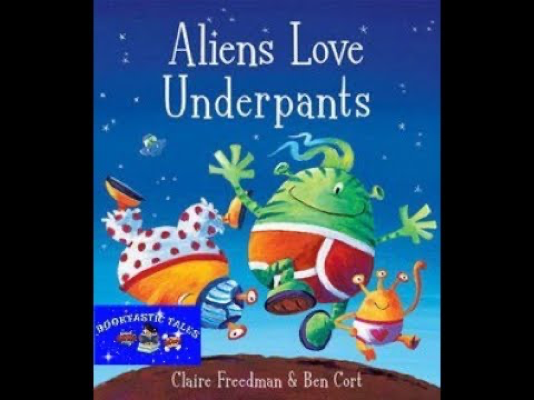
EnglishWeek commencing: 5.10.26 In English, we will read the story 'Aliens Love Underpants' by Claire Freedman and Ben Cort. We will discuss that it is a fiction book because it is a made-up story and compare it to a non-fiction Space Book.
At the beginning of the week we will start by predicting the story, asking the children to share their predictions.
We will go over key vocabulary such as:
These are key concepts of print that children need to know as part of the Reading Early Learning Goal.
We will be discussing who the characters in the story are.
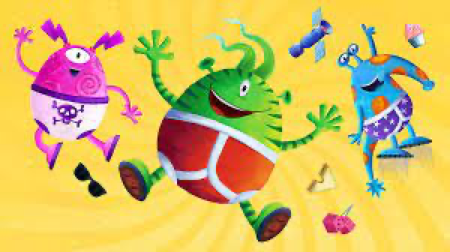
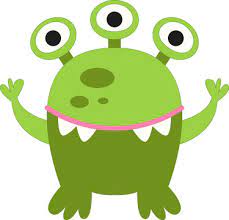
The characters are aliens.
We will ask the children ‘Who are the ‘who’ in other stories they have read?’
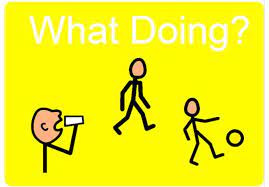
Later in the week, we will introduce what a verb is by using the language ‘what doing’. Teachers will do a range of actions, e.g. jumping, skipping, hopping etc. and ask the children ‘What am I doing?’ and explain that these are verbs – ‘what doing’.
We will explain that a sentence is a group of words with a ‘who’ and a ‘what doing’. A sentence must also make sense.
We will be discussing the vocabulary in the story, such as:
At the end of the week, we will ask children to share their opinions about the story –
We will ask children to explain their ideas and thoughts.
The Comprehension Early Learning Goal expects a child to engage in an extended conversation about stories and be able to use new vocabulary.
Supporting your child at home:
Talk about the aliens in the story. What would your alien look like? Draw and label it.
Encourage your child to write some words about their alien, focus on writing the initial sound of the word.
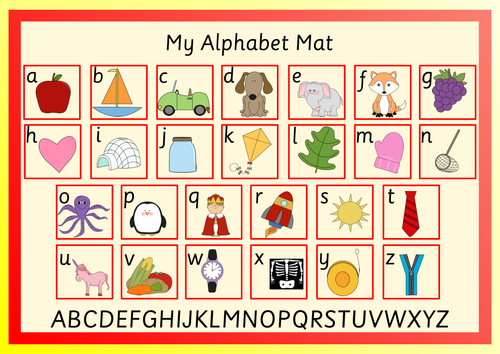
Provide them with an alphabet chart to help support their writing.
For example:
My alien is big, green and spotty.
Your child may hear the 'b' in big – can they hear anymore sounds? Can they hear the 'i' and 'g' with your support?
For the word 'green', they may only hear 'g' at the start and 'n' at the end.
For the word 'spotty' they may only hear the 's' sound at the start.
At school, when a child cannot hear any of the sounds, we model writing the first sound of the word for them, really emphasising the initial sound. Then we ask them to write the letter as well. This helps with letter formation.
Some children may be able to identify the initial sound but may not know how to write that letter. This is a skill we work on in school every day – to be able to link the letter and sound. Next week in English: We will be reading a non-fiction book about space. MathsWeek commencing: 5.10.26 In maths, we are learning to talk about size and compare different lengths.
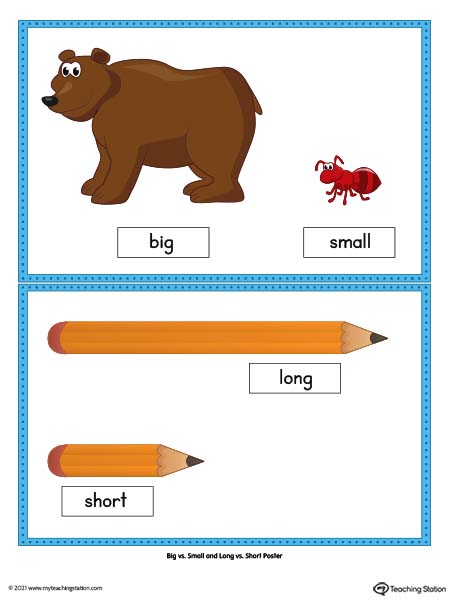
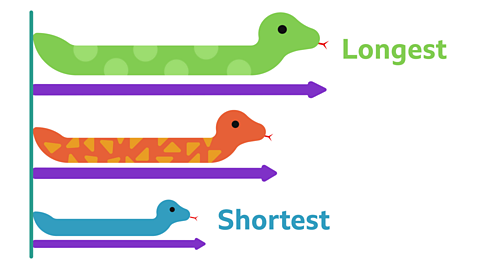
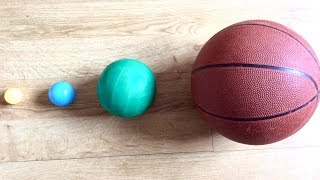
The children learn that objects can be ordered and compared according to their size. Lessons will be practical; we will use the resources that children are familiar with and play with every day. We will encourage the children to use language such as big and little, large and small to describe a range of objects in the classroom.
More specific language such as tall, long and short will also be introduced when talking about length and height. It is very common for children to use the word ‘big’ instead of using the words ‘long’ and ‘small’ instead of ‘short’. We will be asking the children to order objects by size independently and use the correct vocabulary to describe the objects.
We will be using language such as:
We will be asking the children to order objects by length independently and use the correct vocabulary to compare the objects. We will be using language such as:
Stories linking to size and length:
Where’s My Teddy? – Jez Alborough It’s the Bear – Jez Alborough Dear Zoo – Rod Campbell A New House for Mouse – Petr Horacek Mr Big – Ed Vere My Cat Likes to Hide in Boxes – Eve Sutton
Supporting your child at home:
Encourage your child to compare different attributes in everyday situations: ‘I wonder who has the longest scarf?’
Cut a piece of ribbon/string/ wool as long as your child’s arm and encourage them to find things in the environment that are longer, shorter or the same length. Focus on asking for specific things according to their attributes. For example:
Children also enjoy using height charts, measuring tapes and rulers, although will not yet fully understand how they work. Compare the sizes and lengths of everyday objects – use your child's interests to help engage them and make it fun and relevant to them.
Use play dough to make different sized snakes or worms. This provides a good opportunity to discuss the length of the snakes/worms, e.g. this snake is longer/ shorter/the same length as… .
Next week in maths: We will be learning about measures with a focus on weight and capacity.
|